
Distressed Properties Reviewed For Hidden Value, Repair Reality, And Strategic Acquisition
Michael Ligon reviews distressed properties across Florida where condition, repairs, vacancy, deferred maintenance, ownership pressure, timing, or hidden value may create a serious real estate opportunity.
A distressed property needs more than a quick estimate. It needs a realistic review of repairs, risk, value, and execution.
Distressed real estate can include damaged houses, neglected rentals, vacant homes, inherited properties, fire or water affected structures, old interiors, unfinished projects, properties with code concerns, or houses where the owner does not want to manage a full renovation.
Michael reviews distressed properties through a practical investor lens. The purpose is to understand what the property is, what the repair exposure may be, what the location can support, and whether a direct purchase or strategic acquisition path makes sense.
This is not a generic distressed house page. It is a private property review path for real opportunities where condition, timing, capital, and execution matter.
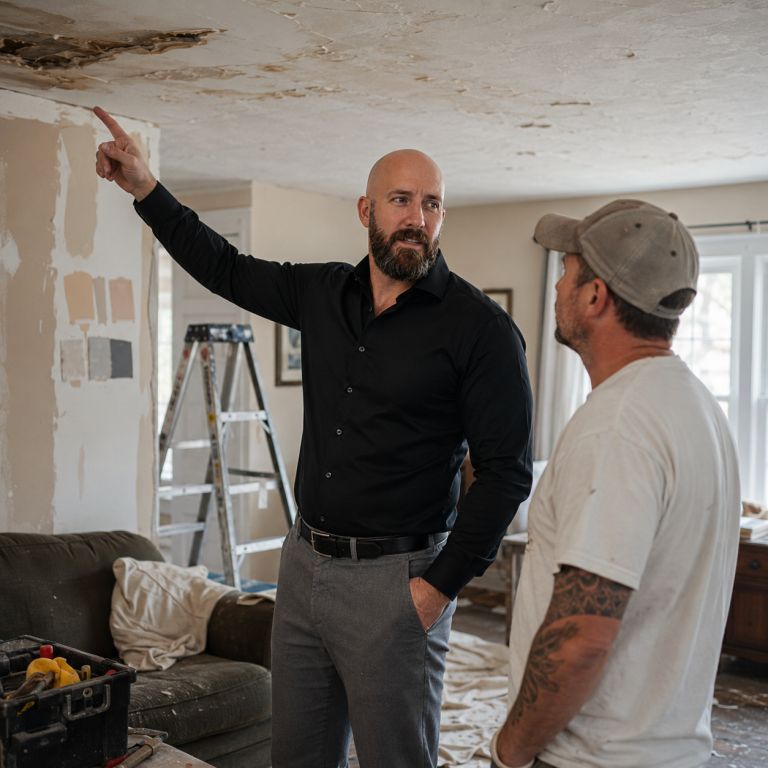
A distressed property is not automatically a bad property. It may simply need the right buyer, capital plan, and execution path.
Many distressed properties are difficult because the work required is greater than what the current owner wants to handle. The house may need major repairs, cleanup, contractor coordination, system updates, code correction, or a complete repositioning.
That does not mean the property has no value. Location, lot size, structure, floor plan, rental demand, resale demand, land use, and nearby growth can all matter. A house that looks rough on the surface may still have a strong investment case when the facts are reviewed correctly.
Michael looks at distressed properties by separating the visible problems from the possible opportunity. The key question is whether the repair cost, acquisition price, timeline, and exit path can support a real investment decision.
The property does not need to be cleaned up, repaired, or market ready before review.

A distressed property review should account for the repairs that are obvious and the repairs that may appear later.
A property may look like it only needs cosmetic updates, but deeper review may reveal system issues, water damage, roof concerns, structural questions, permitting concerns, code problems, layout challenges, or cost overruns.
That is why a serious review looks beyond surface condition. Photos, walkthroughs, access notes, repair history, occupancy, utilities, and property age can all affect the investment decision.
Michael’s real estate review process considers both the visible repair list and the execution path required to make the property useful again.
Distressed property opportunities are strongest when the problem is real, but the path can still be structured.
Michael is most interested in properties where repairs, timing, location, ownership, and hidden value can be reviewed with a serious acquisition lens.
Damaged Houses
Houses with roof issues, water damage, interior damage, old systems, deferred maintenance, cleanup needs, or full renovation requirements.
Vacant Properties
Empty homes where security, utilities, insurance, code issues, deterioration, or carrying costs may create pressure for the owner.
Tired Rental Assets
Rentals with maintenance issues, tenant concerns, old interiors, vacancy risk, or owners who no longer want to operate the property.
Distressed But Well Located
Properties where the current condition is weak, but the lot, location, structure, rental demand, or resale path may support a real opportunity.
Distressed property review requires experience with both acquisition and the work that happens after closing.
A distressed property is not only a purchase decision. It is also a repair decision, contractor decision, capital decision, resale decision, rental decision, and timing decision.
Michael reviews properties with the full path in mind. A low price does not make a property attractive if the repair scope, timeline, access, holding cost, or exit path does not work.
The strongest opportunities are often properties where the problem is clear, the numbers are realistic, and the path after purchase can be executed with discipline.
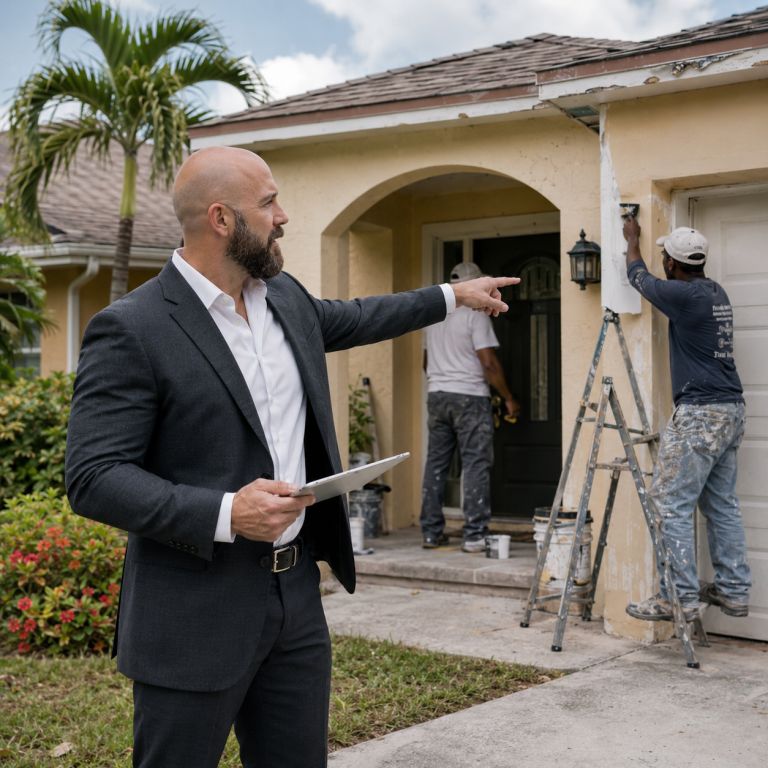
A distressed property may become difficult when the owner no longer wants to manage the repairs, cost, time, or uncertainty.
Some owners inherit a property that needs work. Some landlords get tired of maintaining a rental. Some families are dealing with a vacant house. Some owners started repairs and stopped. Some properties have become too expensive or stressful to keep.
Michael reviews distressed property opportunities based on the property and the situation around it. Condition matters, but so do timing, access, ownership status, local demand, and the owner’s desired outcome.
When the numbers make sense, a direct purchase path may allow the owner to avoid repairs, cleanup, contractor management, repeated showings, and a long public sale process.

A distressed property may belong in a direct purchase path, repair path, rental repositioning path, or hidden value acquisition path.
The right path depends on the property condition, location, ownership situation, repair scope, market demand, available capital, and the timeline required to move forward.
Direct Purchase Review
A direct purchase path may make sense when the owner wants privacy, simplicity, and relief from repairs, cleanup, showings, and public marketing.
Repair And Resale
Some distressed properties may support a renovation and resale path when the location, cost basis, repair scope, and buyer demand are strong enough.
Rental Repositioning
A distressed rental may still have long term value if repairs, tenant profile, rent demand, and operating costs can support the investment.
Land Or Better Use
Some distressed structures sit on land where lot value, zoning, nearby demand, or future use may matter more than the current building.
The first step is to provide enough property information for a serious review.
Distressed property review may lead to a direct purchase discussion, a walkthrough, a repair review, a referral path, or a decision that the property is not the right fit.
If the property appears to fit Michael’s current real estate focus, the next step may include follow up questions, photo review, access discussion, repair review, local value analysis, or a private conversation about the owner’s preferred timeline.
A direct purchase conversation may be possible when the property, condition, timing, ownership status, and numbers make sense. In other cases, the correct next step may be a broader review or a different pathway.
Submitting details does not obligate anyone to sell and does not guarantee an offer. It begins a private review of the property and the situation.
Distressed properties may connect to inherited property, probate real estate, hidden value, value add acquisition, off market property, land, or strategic property acquisition.
The right path depends on condition, repairs, location, timing, ownership, capital needs, and whether the property has a clear investment case after the problems are understood.
Value Add Properties
Review properties where repairs, repositioning, rental improvement, resale strategy, or better use may create additional value.
Hidden Value Properties
Review properties where land, location, use, demand, or structure may create value beyond the current condition.
Off Market Properties
Review private property opportunities before public listing, broad marketing, or a traditional sale process.
Strategic Property Acquisition
Review real estate opportunities where timing, structure, location, capital, and execution may create a stronger acquisition path.
Have a distressed property that needs experienced review before the next decision is made?
Send the basic property details, location, condition notes, photos if available, access status, timeline, and decision maker information. If the opportunity fits Michael’s current real estate focus, the next step may be a private follow up conversation.