
Inherited Property Strategy For Families, Heirs, Probate Property, And Complex Real Estate Decisions
Michael Ligon helps review inherited property situations where family members, probate related steps, property condition, repair needs, timing, and decision making all have to be understood before a clean path forward can be created.
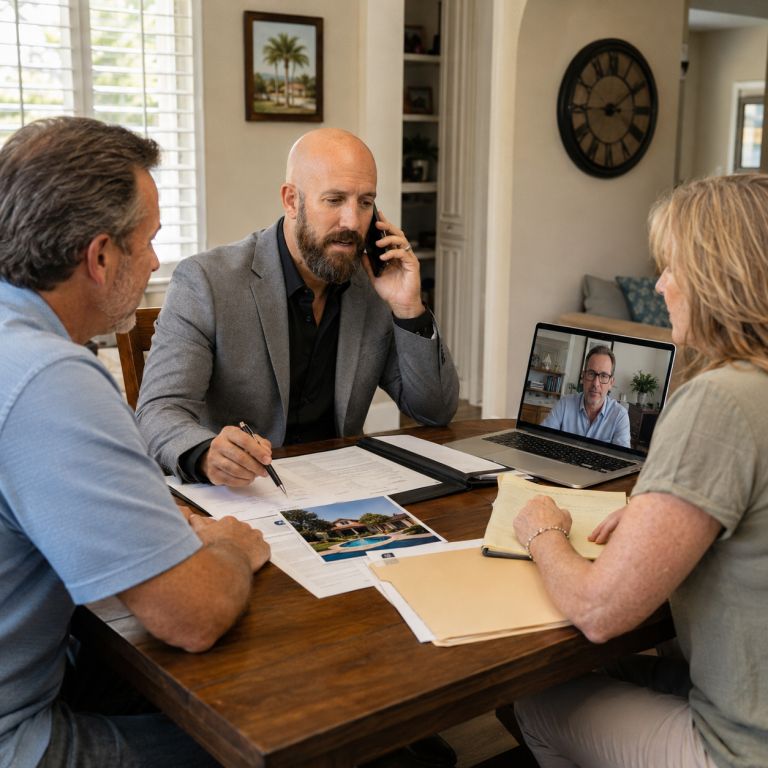
A family contacted Michael about an inherited property that had become difficult to manage.
The house had passed through the family after a death, and several heirs were involved in deciding what would happen next. Some family members lived out of the area. Some wanted to move quickly. Others needed more time to understand the process.
The property needed work, the estate still had probate related steps to deal with, and the family was carrying the weight of both the property and the situation behind it.
This was not just a house sale. It was a real estate situation involving people, timing, documents, repairs, family communication, and a need for a practical exit strategy.
Inherited property decisions often involve more than price.
A normal buyer may only see the condition of the property. Michael looks at the full situation: the heirs, the title path, the probate related steps, the repairs, the timeline, the family’s ability to coordinate, and whether there is a real path to closing.
In this situation, the property was not a clean retail listing. It had issues. It needed work. It came with family coordination, probate questions, and moving parts that a typical buyer may not have wanted to handle.
As an investor, Michael could review the property and the situation together. Once he determined the property made sense as an investment, the focus became organizing the transaction well enough to close.
These are the issues that often slow inherited property decisions down.
Michael reviewed the inherited property as both a family situation and an investment opportunity.
The review had to account for the house itself and the people involved in the decision.
What Work Did The Property Need?
Michael studied the condition, repair needs, likely scope of work, and whether the property could be purchased without requiring the family to renovate first.
Did The Location Support The Deal?
The property had to be reviewed against the local market, buyer demand, resale path, rental potential, and realistic investment numbers.
Could The Family Move Together?
Several heirs were involved, so communication, alignment, decision timing, and keeping everyone informed became part of the strategy.
Could The Transaction Reach Closing?
Probate related details, documents, process steps, and title related requirements had to be understood before the sale could move forward.
The family needed a buyer who understood more than just the house.
They needed someone who could work through the practical realities of an inherited property. There were heirs who needed to be kept informed, documents that needed to move through the right channels, questions that needed answers, and a property that still had to be evaluated as an investment.
Michael stayed directly involved. He communicated with the family, helped keep the heirs aligned, and worked through the probate related details that affected the sale.
He helped the family understand what needed to happen, what could slow the transaction down, and which steps mattered most to move from agreement to closing.
The family did not have to renovate the property before selling.
The property did not need to be cleaned up for Michael to review it. The family did not have to renovate it, repair it, stage it, or prepare it for regular buyers.
Michael bought the property with the understanding that it needed work and that the situation around the property was part of the deal.
That was the value of having an investor involved. A traditional buyer might have walked away because of the condition, the family dynamics, or the probate process. Michael was able to look at the full picture and decide whether there was a path that made sense for everyone.
An investor can sometimes solve problems regular buyers do not want to inherit.
The inherited property moved from a family burden to a real closing path.
The issues were worked through one by one. The heirs became clearer on the process. The family had a direct buyer. The property had a real exit strategy. Instead of letting the situation drag on, the transaction moved toward closing.
In the end, Michael purchased the property, the heirs were able to move forward, and the family got relief from a house that had become more than just real estate.
The transaction was complex because it involved the property, the people, the probate process, the timing, and the practical obstacles that had to be solved along the way.
Inherited property strategy is about creating a practical path when the situation is not simple.
For Michael, these are often the strongest opportunities. When a property has a problem that can be understood, structured, and solved, there may be a way to create a deal that works.
The value is not only in buying the house. The value is in understanding the full picture and helping the transaction move through the people, documents, property condition, timing, and decision points that stand between the family and a finished sale.
If your family is dealing with an inherited property, the first step is to explain the situation clearly.
A strong submission does not need to be perfect. It should include enough detail for Michael’s team to understand the property, the people involved, the current status, and what kind of outcome may be needed.
Basic Property Details
Include the address or general location, property type, condition, occupancy status, known repairs, photos if available, and whether anyone is living there.
Who Is Involved?
Explain how many heirs are involved, whether everyone is in agreement, who is local, and who can help make decisions.
Current Process Status
Share whether probate has started, whether an attorney is involved, whether someone has authority to sign, and what documents are available.
What Needs To Happen Next?
Explain whether the family wants to sell quickly, needs more time, is carrying costs, or is trying to understand the best next step.
Continue through related inherited property, probate, real estate, and special situation pages.
These pages help visitors understand the different ways Michael reviews complex property situations.
Special Situations
Review complex situations where timing, ownership, capital, pressure, hidden value, or structure may change the outcome.
Inherited Property Opportunities
Review inherited homes where family timing, condition, title, probate, and clean exit strategy may matter.
Probate Real Estate Opportunities
Review probate property situations where title, heirs, documents, timing, and property condition require careful handling.
Real Estate Opportunities
Bring forward property situations that may fit Michael Ligon’s real estate opportunity review process.
Have an inherited property situation that may need a direct buyer or a clearer strategy?
Send the property details, family situation, probate status, known repairs, timeline, and what outcome the heirs are trying to reach. If the situation fits Michael’s current real estate focus, the next step may be a private follow up conversation.