
Development Pressure Strategy For Property Owners Facing Growth, Buyer Interest, And Changing Land Value
Michael Ligon reviews property situations where surrounding growth, buyer activity, redevelopment plans, road changes, zoning movement, land demand, or nearby acquisitions may create pressure on an owner before the full value of the property is understood.
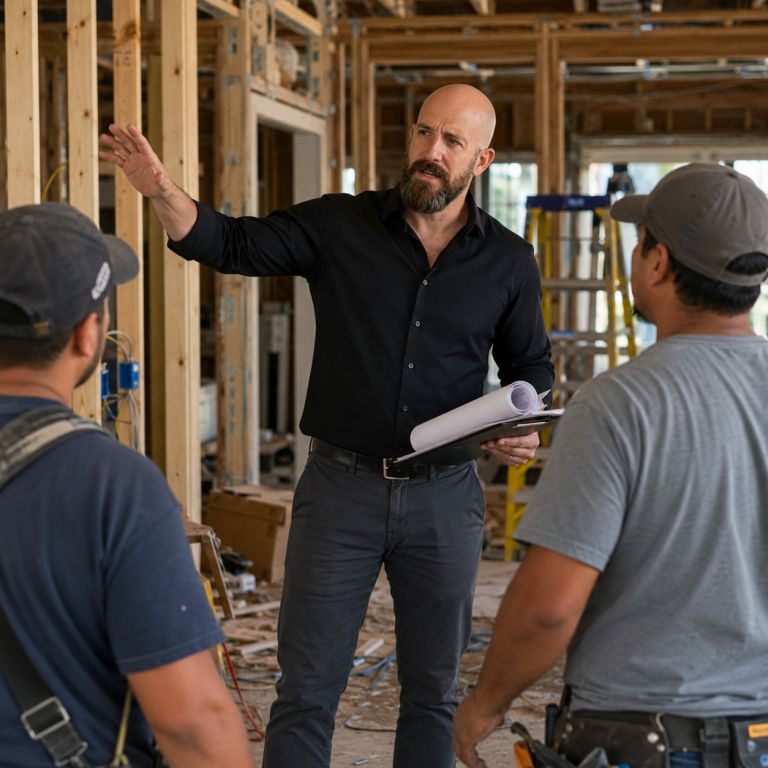
Pressure often shows up before the owner understands why the property suddenly matters.
Development pressure can appear slowly, then suddenly. A road expands. A nearby parcel sells. A vacant lot gets cleared. A developer starts calling owners. A broker asks if the family would consider selling. A quiet area begins to attract attention.
To a property owner, these signals may feel random. To an experienced investor, they may suggest that the area is changing and that certain properties are becoming more important to the next stage of growth.
Michael reviews development pressure by studying the property, the surrounding movement, the likely buyer motivation, the owner’s position, and the practical choices available before a decision is made.
Development pressure is the force created when future use starts competing with current use.
A property may still be used as a home, rental, small business site, vacant lot, family property, or older building. But the surrounding area may begin pointing toward something different.
That difference can create pressure. The property may become interesting to a builder, investor, developer, corporate buyer, land assembler, broker, or nearby property owner because of what it could help create.
The owner’s challenge is to understand whether the interest is ordinary buyer activity or a sign that the property may have strategic value inside a larger development pattern.
Development pressure often leaves clues before the larger plan is obvious.
Owners often evaluate development pressure through the wrong frame.
A property owner may think only about the current structure, the last appraisal, the tax value, or the last sale nearby. Development pressure requires a wider view.
The Property May Look Ordinary Today
A home, rental, lot, or older building may look simple from the street while still becoming important to a future plan.
The Buyer May See More
A buyer may value the property because it solves a larger problem involving access, control, frontage, timing, or assembly.
The Moment May Matter
The first offer is not always the best signal of value. Timing, surrounding purchases, and buyer urgency can change the conversation.
The Owner May Know Less Than The Buyer
Larger buyers may understand area plans, nearby contracts, development costs, and future use potential before the owner does.
The danger is not buyer interest. The danger is making a decision without understanding why the buyer is interested.
Development pressure can make an owner feel rushed. The owner may hear that the offer is only available for a short time, that the buyer is looking elsewhere, or that the property is difficult to use unless it is sold now.
Sometimes those statements are fair. Sometimes they are negotiation pressure. The difference matters.
Michael’s review looks for the reason behind the pressure. Who wants the property? What are they trying to accomplish? What has already happened around it? What leverage does the owner have? What facts should be understood before responding?
Michael studies the property inside the larger area movement, not just as a standalone asset.
The review starts with the property itself: location, condition, frontage, depth, access, use, ownership, occupancy, title, zoning, and any known constraints.
From there, Michael looks outside the property line. He studies surrounding sales, buyer patterns, nearby parcels, public activity, land use movement, builder interest, investor demand, and whether one buyer may need the property more than the general market.
The goal is to understand the owner’s position before choosing a response, a price, a structure, or a path forward.
The stronger question is what the property means to the larger plan.
The same pressure can show up in different types of properties.
Development pressure is not limited to vacant land. It can affect homes, rentals, small commercial sites, older buildings, inherited properties, and parcels sitting inside a changing area.
Long Held Property In A Changing Area
A family may own property for years before realizing the surrounding area has changed and the land may now carry a different value profile.
Older Buildings In Growth Corridors
An older building may be less important than the land, access, visibility, or position it controls inside a developing corridor.
Rental Assets With Land Value
A rental may be worth one number for income and another number if the land has future development or assemblage potential.
Parcels In The Path Of Growth
Vacant land may gain value when nearby demand, road access, infrastructure, surrounding sales, or builder activity increases.
Before responding to pressure, slow down and gather the facts.
Owners do not need to become developers to make a better decision. They need enough information to understand whether the buyer’s interest is ordinary, strategic, or part of a larger pattern.
A rushed answer can cost leverage. A better answer begins with the property, the surrounding activity, the buyer motivation, and the owner’s real options.
Michael helps owners and referral sources think through the situation before the pressure creates a weaker decision.
A clearer decision starts with a clearer picture.
If a property is being affected by growth, buyer interest, or surrounding development activity, the details matter.
Send the property location, what has changed nearby, who has contacted the owner, what offers have been made, and what outcome is being considered.
Helpful context may include photos, letters, purchase offers, broker messages, parcel maps, zoning information, known nearby sales, family timing, occupancy, title concerns, or any pressure being placed on the owner.
If the situation fits Michael’s current real estate focus, the next step may be a private follow up conversation.
The first review is stronger when the pressure points are clear.
Continue through related pages on land value, buyer leverage, development paths, and complex property situations.
These pages help explain how Michael reviews properties where growth, pressure, timing, buyer motivation, and strategic value may affect the outcome.
Corporate Land Acquisition
Review situations where larger buyers, developers, or corporate acquisition groups may be trying to control property in an area.
Large Buyer Negotiation
Review how owners can think through buyer motivation, leverage, timing, and negotiation posture when a larger buyer is involved.
Development Path Properties
Review properties where surrounding growth, land use, future demand, or redevelopment activity may create strategic value.
Strategic Property Value
Review how location, timing, use, ownership, buyer demand, and surrounding activity can change what a property may be worth.
Facing buyer interest, nearby growth, or pressure to make a property decision?
Send the property details, surrounding activity, known buyer interest, current pressure points, timing, and the outcome being considered. If the situation fits Michael’s current real estate focus, the next step may be a private follow up conversation.