
Business Operators For Execution, Systems, Growth, Accountability, And Private Company Strategy
Michael Ligon works with business situations where operators, systems, capital, ownership, leadership, and execution determine whether an opportunity can become a real outcome. A strong operator can protect value, unlock growth, stabilize pressure, and turn a good idea into a working business.
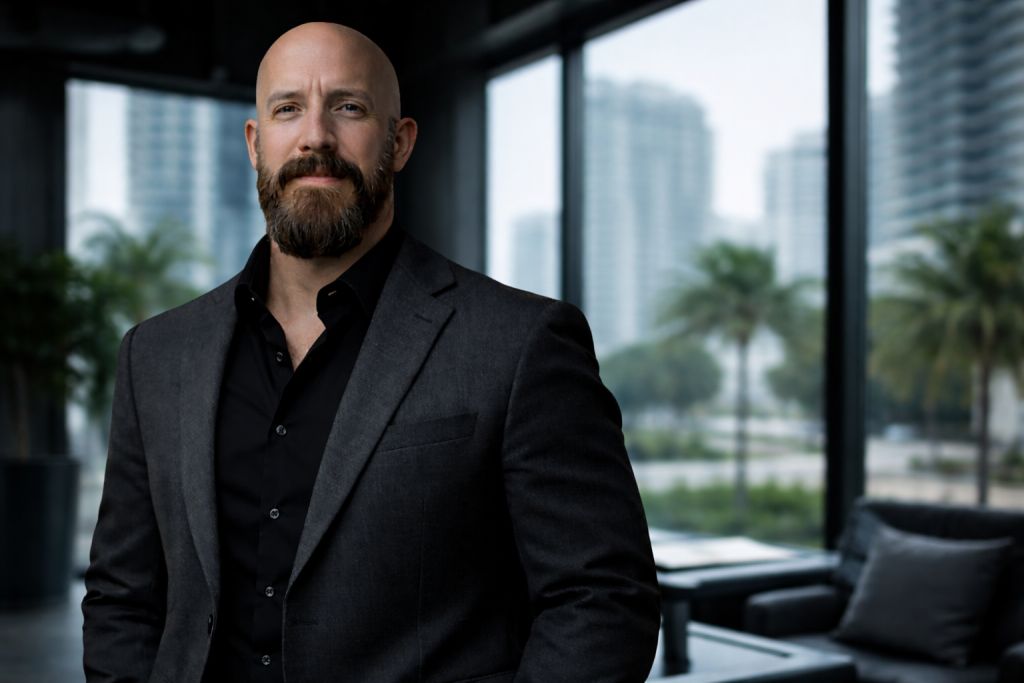
A business opportunity is only as strong as the people and systems that have to carry it.
A company may have a good product, loyal customers, strong demand, valuable relationships, or a clear opportunity to grow. But if the operator, team, systems, and reporting cannot handle the next stage, the business can break under its own potential.
Operators matter because they live inside the real business. They see the people problems, process gaps, pricing issues, vendor pressure, customer friction, hiring needs, cash strain, and delivery problems before those issues show up in a clean presentation.
Michael looks at business operators through a practical lens. Can the person execute? Can they build systems? Can they handle pressure? Can they protect the downside while moving the company forward?
This is for business situations where execution is the deciding factor.
The right operator conversation may start with a business owner, founder, investor, advisor, capital partner, acquisition source, or strategic partner who sees a company that needs stronger execution.
Private Business Investments
For companies where ownership, capital, operators, structure, and execution may determine whether the opportunity works.
Strategic Growth
For businesses with demand or momentum that need stronger systems, leadership, accountability, and execution before scaling.
Business Turnarounds
For companies where leadership gaps, cash strain, customer issues, operating pressure, or weak systems may need correction.
Business Audit
For owners who need to understand what is working, what is leaking, what is unclear, and what should be fixed first.
Many companies do not fail because the opportunity is weak. They fail because execution cannot keep up.
A business may have strong demand, a known brand, a loyal customer base, or a market opening. But the company can still struggle if the team is unclear, the owner is overloaded, the process is inconsistent, or the business depends too heavily on one person.
Operators are often the difference between growth and chaos. They build the system, manage the people, protect quality, watch the numbers, hold the team accountable, and keep the business moving when pressure increases.
Michael reviews operator situations by asking whether the company has the leadership, people, process, reporting, and discipline needed to support the outcome being pursued.

A strong operator review looks at how the company actually runs.
The review is strongest when it goes beyond ideas and studies the daily reality of the business, the people responsible for performance, and the systems that have to carry the work.
Who Owns The Outcome?
Every business needs clear authority, responsibility, accountability, and leadership. If no one owns the outcome, the company drifts.
Can The Process Repeat?
Strong businesses need repeatable systems for sales, service, delivery, hiring, reporting, customer follow up, quality, and cash control.
What Breaks Under Stress?
Growth, turnover, customer demand, debt, inventory, vendor issues, and hiring problems reveal whether the operator and systems are strong enough.
Can The Plan Become Action?
Strategy matters, but the operator has to convert direction into priorities, people, deadlines, numbers, decisions, and measurable progress.
The owner thought the business needed more sales. It really needed someone to run the machine.
A company can have demand, leads, customers, and a strong reputation, yet still feel like it is constantly behind. The owner is pulled into every decision. The team waits for direction. Customers depend on one person. Quality changes depending on who is working that day.
From the outside, the company may look like it needs more revenue. But inside the business, the real issue may be operating structure. There may be no second layer of leadership, no clear process, no reporting rhythm, and no accountability system.
In that situation, more sales can make the company weaker. Demand increases pressure before the business has the operator, team, and systems needed to carry it.
A serious operator review helps identify whether the next move should be growth, structure, leadership support, systems, capital, or a strategic reset.
The right operating path depends on what the business needs to function better.
Some companies need a stronger operator. Some need process. Some need accountability. Some need better reporting. Some need capital only after the operating structure is corrected.
Operator Support
A business may need a stronger operator, general manager, executive layer, operating partner, or leadership structure.
Process And Reporting
Some businesses need better systems for sales, operations, customer service, hiring, financial reporting, and daily accountability.
Growth Readiness
A company may need to prove that the current operation can handle more customers, more staff, more locations, or more complexity.
Operating Reset
A company under pressure may need cash control, margin review, leadership clarity, role changes, or a tighter operating plan.
Post Acquisition Operations
A business acquisition may need operator involvement to protect customers, employees, systems, quality, and transition value.
Capital After Structure
Capital is more useful when the operator, reporting, execution plan, and accountability system are strong enough to use it well.

A good operator turns the business into something less fragile.
The strongest operators reduce dependency on one person. They create standards, build processes, clarify roles, track numbers, manage people, and make sure the business can perform without constant rescue.
That matters for growth, acquisition, partnership, capital, and succession. A company becomes more valuable when the business can run with structure instead of personality alone.
Michael’s operator lens focuses on whether the business can become stronger, cleaner, more accountable, and more capable of handling the next move.
Business operators often connect to growth, acquisitions, turnarounds, private investments, and strategic review.
Choose the most relevant path based on the company’s operating pressure, owner goals, growth plans, and current structure.
Strategic Growth
Review companies that may need stronger operators, capital, systems, leadership, or structure before the next stage.
Business Acquisitions
Review acquisition opportunities where operator quality, transition planning, systems, and execution determine value.
Business Turnarounds
Review companies that may need operational repair, leadership clarity, cash discipline, or a strategic reset.
Scaling Companies
Review companies that may need repeatable systems, stronger teams, capital structure, and process before scaling.
Private Business Investments
Review private company opportunities where ownership, capital, operators, structure, and execution may affect the outcome.
Business Strategic Reviews
Review business situations where experienced perspective may clarify risk, value, people, structure, and next steps.
If you own, operate, advise, invest in, or know of a company that needs stronger execution, operator support, systems, or structure, bring the situation forward.
Send the company background, owner situation, current operating pressure, people involved, growth plans if applicable, leadership gaps, system issues, and the decision being considered. Serious operator conversations should be clear about what is working, what is breaking, and what needs to improve.