
Complex Real Estate Transactions That Require Experience, Structure, And A Real Path Through The Problem
Michael Ligon reviews complex real estate transactions involving code enforcement, city fines, difficult tenants, distressed property, out of state owners, construction issues, compliance problems, title concerns, family pressure, and situations where a normal buyer may not know how to move forward.
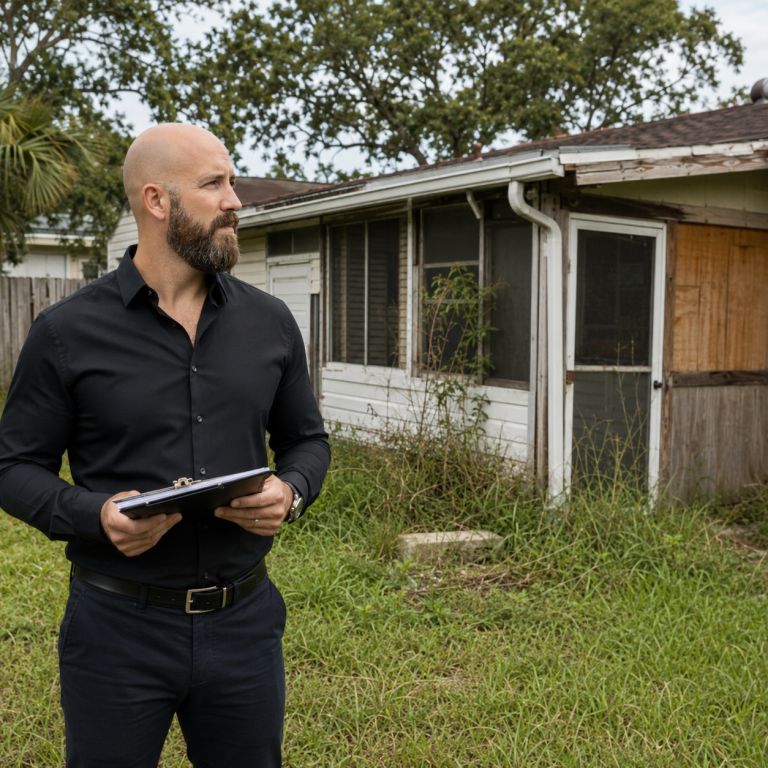
A couple reached out about a Florida rental property that had turned into a serious problem.
The owners no longer lived in Florida. For a while, the property looked stable from a distance because the tenants were paying rent every month.
Behind the scenes, the tenants were not taking care of the house. They ignored city notices, allowed violations to pile up, and kept important mail from the owners.
By the time the owners realized something was wrong, the tenants had stopped paying rent and the owners were forced to go through the eviction process.
After the eviction, the owners returned to Florida and discovered how serious the situation had become.
The house was in rough condition. The yard had been neglected. Code enforcement letters and city notices had been missed. Multiple violations had been recorded against the property.
By the time the owners understood the full picture, the fines had grown to more than $200,000. Some issues involved normal neglect, including landscaping, maintenance, exterior condition, and basic property upkeep.
One issue was much more serious. The tenant had attempted to alter the property by enclosing the Florida room without properly handling structure or compliance.
What started as a rental problem had become a code enforcement problem, a structural compliance problem, a financial problem, and a sale problem at the same time.
The problem had multiple layers that had to be separated and solved.
The owners did not just need to sell a house. They needed a way out of a problem they could not manage from out of state.
When a property carries tenants, violations, city fines, structural issues, and deferred maintenance, the owner can feel trapped before the sale process even begins.
Out Of State Ownership
The owners no longer lived in Florida and did not want to keep managing a problem property from another state.
City And Code Issues
The property had violations, notices, fines, and compliance steps that needed to be understood before any real solution could happen.
Construction And Condition
The house needed work, and the unapproved enclosure created a more serious structural and compliance concern.
A Buyer Had To Absorb The Risk
A normal buyer would likely have walked away from the property because the issues were too large, too unclear, or too difficult to manage.
Michael reviewed the file, spoke directly with the owners, and separated the emotion from the facts.
The fines were real. The violations were real. The property condition was real. But that did not mean the problem could not be solved.
It meant the situation needed to be handled by someone who understood real estate, city compliance, code enforcement, construction issues, and deal structure.
Michael went directly to the city and code enforcement to understand exactly what needed to happen. He identified which violations had to be corrected, which issues were tied to property condition, which items related to the unapproved enclosure, and what steps were required to bring the property back into compliance.
Once the real information was clear, Michael worked with the owners on an offer that made sense.
Michael bought the property with all of the issues attached to it. That became the turning point for the owners.
They no longer had to fight the city from out of state. They no longer had to figure out contractors, repairs, compliance, fines, tenants, or resale.
They were able to sell the house and move on, while Michael took responsibility for solving the problems that remained after closing.
A direct investor buyer can sometimes absorb problems that stop a regular sale.
Michael took responsibility for the problem and worked through the compliance issues.
After the purchase, Michael dealt with the city, worked through the violations, and negotiated the fines down from more than $200,000 to $10,000.
He also addressed the structural issue caused by the enclosed Florida room and brought the property back into compliance.
Then he remodeled the entire house. What had been a neglected rental with code violations, city fines, illegal alterations, and out of state ownership problems became a clean, renovated property ready for a new family.
The value was not just in buying the property. The value was in solving the problems attached to it.
Some properties are not simple. Some deals come with tenants, violations, fines, title questions, family stress, city issues, construction problems, and owners who feel overwhelmed before they ever get to the closing table.
Michael does not look at those situations the way most buyers do. He looks for the path through them.
In this case, the owners needed a real solution, not just an offer. Michael was able to buy the house, absorb the problem, resolve the city issues, bring the structure back into compliance, renovate the property, and return it to the market in better condition than when he found it.
Complex real estate transactions are deals where the property, people, process, and problems all have to be understood together.
These are not always the easiest deals, but they are often the situations where experience matters most.
Violations And Fines
Some properties carry city violations, daily fines, open cases, missed notices, or compliance issues that need to be understood before a sale can make sense.
Difficult Rental Situations
A rental can become complicated when tenants stop paying, damage the property, hide notices, create violations, or leave the owner with major repairs.
Unapproved Work And Repairs
Some properties have unpermitted work, structural concerns, unsafe conditions, or unfinished improvements that must be corrected.
Owners Who Feel Stuck
Out of state owners, inherited property owners, landlords, families, and investors may need a buyer who can solve more than price.
If a property feels impossible to sell, the first step is to explain the problem clearly.
A complex real estate situation may still have a path forward. The key is understanding the exact problem, who is involved, what the property needs, what the city requires, what the owner wants, and whether a direct buyer or strategic structure can help.
Michael has dealt with difficult tenants, distressed houses, code enforcement issues, family pressure, title complications, structural problems, city fines, and owners who feel like they are out of options.
The deals he is often best suited for are the ones that require experience, patience, structure, and the ability to solve what other buyers walk away from.
Useful details make the first review clearer.
Continue through related real estate, distressed property, code issue, and special situation pages.
These pages help visitors understand how Michael reviews real estate situations that involve more than a simple sale.
Special Situations
Review complex situations where timing, ownership, capital, pressure, hidden value, or structure may change the outcome.
Distressed Properties
Review properties with condition issues, repair needs, deferred maintenance, violations, or other problems that affect value.
Value Add Properties
Review properties where improvement, repair, repositioning, management, or renovation may create a better outcome.
Real Estate Opportunities
Bring forward property situations that may fit Michael Ligon’s real estate opportunity review process.
Have a real estate situation with tenants, fines, violations, repairs, city issues, or ownership pressure?
Send the property details, current issue, known violations, tenant status, repair concerns, city notices, owner situation, timeline, and the outcome being considered. If the situation fits Michael’s current real estate focus, the next step may be a private follow up conversation.