
Working With Capital Partners Requires Trust, Clarity, Structure, And Follow Through
Michael Ligon works with capital partner opportunities through a practical review process focused on communication, source quality, opportunity fit, operator ability, capital purpose, reporting, decision rights, risk control, and the path to a defined outcome.
Working with a capital partner starts with clarity about the opportunity, the people, and the role capital is expected to play.
Capital partner relationships can involve real estate investors, private lenders, operators, business owners, deal sponsors, referral partners, family offices, private investors, and people close to a serious opportunity.
Michael reviews these relationships by looking at the situation behind the request. Who is involved? What does each party contribute? Why is capital needed? What is the expected outcome? What information is available? What has to happen next?
A good capital partner relationship should make the opportunity more executable, more disciplined, and more clearly structured. If the relationship adds confusion, the structure is not ready.
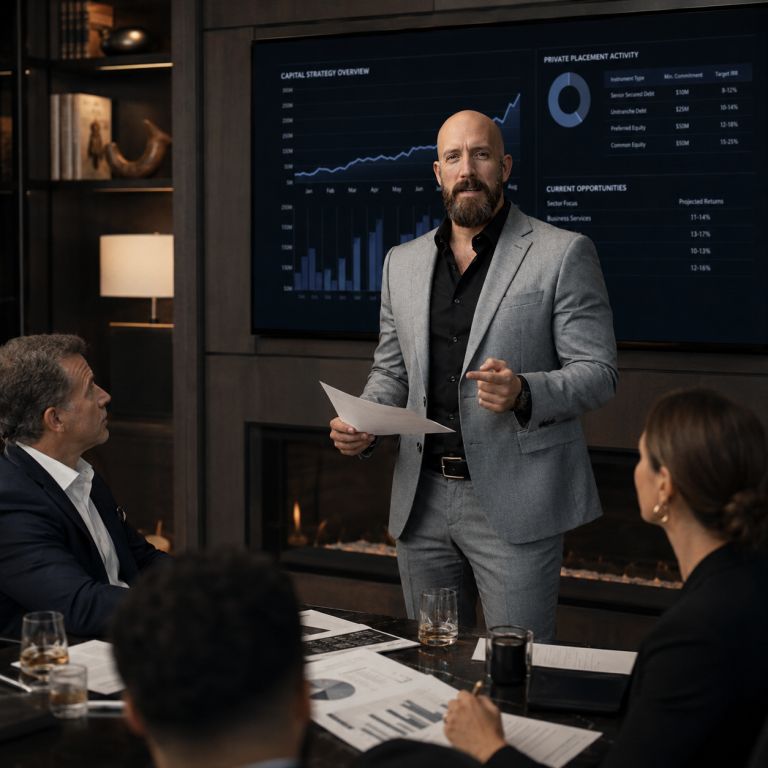
The first conversation should establish context before anyone tries to force a structure.
A productive capital partner conversation begins with a clear explanation of the opportunity and the people involved. It should not begin with pressure, vague return talk, or a rushed request for funding.
The person bringing the opportunity should be able to explain how they found it, who controls the decision, what capital is being requested, what documents exist, what timeline matters, and what role they expect Michael or another capital source to play.
Michael looks for conversations where the other party is direct, prepared, and realistic. If the first conversation is unclear, the partnership is usually not ready for serious structure.
A strong first message should explain enough to decide whether deeper review makes sense.

Capital partner relationships are tested by how people communicate before anything goes wrong.
Trust is not created by polished language. It is created by accurate information, direct answers, useful updates, realistic timelines, and a willingness to discuss risk before it becomes a problem.
A strong partner communicates what they know, what they do not know yet, what has been verified, what still needs diligence, and what issues may affect timing or outcome.
Michael pays attention to communication patterns because they often reveal how the relationship will perform under pressure.
Capital partners usually care about clarity, control, protection, communication, and the people responsible for execution.
A serious partner does not only ask about upside. They also want to understand what can go wrong and how the structure handles it.
Capital Purpose
A capital request should explain what the money does, why it is needed, what problem it solves, and how it moves the opportunity forward.
Operator Quality
The operator or sponsor should have the ability, discipline, transparency, experience, and communication needed to execute the plan.
Structure And Risk
The relationship should define protection, documents, decision rights, reporting, collateral if applicable, and what happens if the plan changes.
Path To Resolution
The opportunity should have a realistic outcome through sale, refinance, repayment, cash flow, acquisition, growth, or another defined path.
When capital partners get involved, responsibility has to become specific.
A capital partner relationship becomes stronger when the operator or sponsor can clearly explain what they are responsible for. That may include sourcing, diligence, documents, vendor control, construction management, tenant issues, financial reporting, business operations, sales process, refinance path, or investor communication.
Vague responsibility creates conflict. Clear responsibility creates a better chance of execution and a cleaner way to evaluate progress.
Michael reviews whether the operator has the experience, discipline, communication style, and judgment to carry the responsibility the opportunity requires.

The best capital partner relationships do not wait for problems before they communicate.
Reporting does not have to be complicated, but it should be useful. A capital partner should understand what has happened, what changed, what is on schedule, what is behind, what decisions are needed, and what risks are developing.
For real estate, that may involve repair progress, budget updates, photos, draw requests, tenant status, buyer activity, refinance progress, or closing milestones. For business opportunities, it may involve revenue, expenses, operating updates, customer pipeline, transaction progress, or strategic milestones.
Michael values communication that creates clarity. Good reporting reduces surprises and helps people make better decisions.

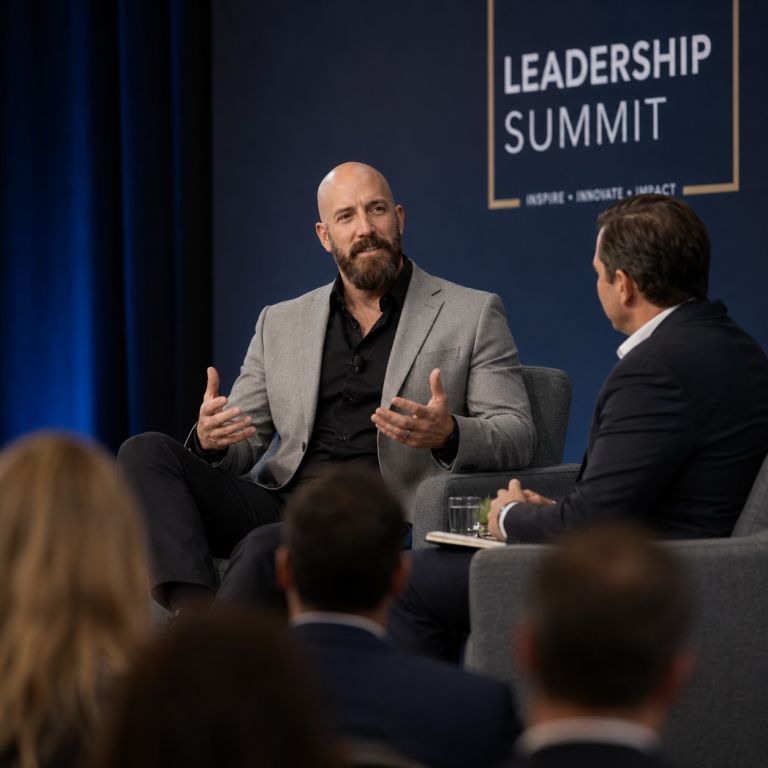
A capital partner relationship may be worth review when both sides bring something useful to the table.
A strong partner fit may exist when one party has capital and judgment while the other has access, operational ability, asset control, market knowledge, business experience, or a direct path to the opportunity.
The relationship should be practical. Each party should know why the other party is involved, what contribution is being made, what risk is being accepted, and what outcome the structure is designed to reach.
Michael is most interested in situations where the partnership creates clarity, speed, protection, or execution quality that would not exist without the right capital partner relationship.
Working with capital partners may lead to a relationship review, opportunity review, structure discussion, deeper diligence, referral, or decision not to move forward.
The right path depends on the opportunity, people, timing, capital need, documents, communication quality, and whether the relationship is actually ready.
Relationship Review
Review whether the parties, expectations, communication style, contribution, decision rights, and trust level are strong enough for deeper discussion.
Opportunity Review
Review whether the property, business, asset, transaction, or special situation has enough substance to justify time and attention.
Structure Discussion
Review capital use, documents, economics, reporting, control, downside protection, and the path to a defined outcome.
Refer Or Pass
Some situations may need a different partner, more preparation, better documents, clearer access, or a decision not to move forward.
The first step is to explain the relationship, the opportunity, and the requested capital partner role.
A capital partner review may lead to a private conversation, deeper diligence, revised structure, strategic capital discussion, referral, or decision that the relationship is not a fit.
If the opportunity and relationship appear aligned with Michael’s current focus, the next step may include follow up questions, opportunity review, operator review, document review, capital structure discussion, or a private conversation about roles and timing.
A deeper conversation may be possible when the opportunity, people, use of funds, communication quality, documents, and expected outcome can be understood. In other cases, the correct decision may be to monitor, refer, restructure, or pass.
Submitting details does not create a lending commitment, investment commitment, advisory relationship, partnership relationship, obligation to fund, or guarantee that capital will be available.
Working with capital partners connects to capital partnerships, private capital opportunities, investment criteria, strategic capital, and capital allocation philosophy.
The right path depends on the opportunity, people, communication, contribution, structure, risk, capital need, timing, and outcome being pursued.
Capital Partnerships
Review capital partnership opportunities where alignment, operator quality, roles, reporting, and structure matter.
Private Capital Opportunities
Review private capital opportunities where relationship, operator quality, source quality, use of funds, and outcome need attention.
Investment Criteria
Review the standards used to evaluate fit, structure, risk, opportunity quality, operator strength, and execution path.
Capital Allocation Philosophy
Review how capital allocation decisions are approached with discipline, selectivity, downside awareness, and opportunity fit.
Have a serious opportunity where the right capital partner relationship may matter?
Send the opportunity details, parties involved, capital need, use of funds, operator background, proposed role, documents if available, timing, and expected outcome. If the relationship and opportunity fit Michael’s current focus, the next step may be a private follow up conversation.