
Capital Allocation Philosophy For Strategic Investors, Operators, And Private Opportunity Review
Michael Ligon approaches capital allocation with discipline, patience, downside awareness, operator review, structure, timing, and opportunity fit. The goal is not to chase every deal. The goal is to identify where capital has a clear purpose, protection, and path.
Capital should not move just because an opportunity is available. It should move when the opportunity deserves it.
Capital allocation is the discipline of deciding where attention, money, risk, time, and relationships should be placed. That decision has to account for more than potential return.
Michael reviews opportunities by looking at what the capital is expected to do, who is responsible for execution, how the capital is protected, what could go wrong, and whether the outcome is realistic enough to justify deeper review.
The best capital decisions usually come from patience, structure, selective action, and a willingness to pass when the opportunity is not clear enough.

The default position is not action. The default position is review.
Strong markets, weak markets, private networks, and active deal environments all create constant opportunities. Most of them do not deserve capital. Some deserve attention. Fewer deserve deeper review. Very few deserve action.
Michael’s allocation philosophy begins with restraint. If the opportunity cannot explain the asset, people, timing, risk, structure, use of funds, and outcome, capital should wait.
This discipline protects the ability to move when a better situation appears. Saying no to weak opportunities keeps time and capital available for stronger ones.
A serious capital opportunity should be able to answer the core questions before deeper review.

Upside gets attention. Downside decides whether the opportunity deserves capital.
Every opportunity has a story. The stronger review begins with the parts of the story that might fail. The contractor may miss the timeline. The borrower may underperform. The buyer may not close. The refinance may be delayed. The market may shift. The operator may need more capital.
A good capital allocation decision does not ignore those possibilities. It asks whether the structure, documents, reserves, collateral, reporting, and decision rights are strong enough to handle them.
Michael looks for opportunities where the downside can be understood before the upside is believed.
Michael’s capital allocation philosophy is built around selectivity, structure, protection, and execution quality.
These principles guide the way opportunities are screened before they move toward deeper review.
Not Every Opportunity Deserves Capital
A good opportunity should fit the current focus, have a credible source, and be clear enough to evaluate without being forced.
Risk Must Be Visible Early
Capital decisions should account for downside, documents, collateral, role clarity, decision rights, and what happens when conditions change.
The Deal Shape Matters
The same opportunity can become strong or weak depending on how capital, control, reporting, economics, and exit expectations are structured.
People Carry The Plan
Operator quality, communication, discipline, experience, and problem solving ability often determine whether the opportunity performs.
Patience is not inactivity. It is the discipline to wait for the right structure, the right facts, and the right moment.
Many capital mistakes happen because timing pressure feels like opportunity. Urgency can be real, but urgency alone is not a reason to move.
A patient allocation philosophy asks whether time pressure creates value or simply hides risk. If the opportunity becomes worse when reviewed carefully, the urgency was not an advantage.
Michael’s approach favors prepared action. Move when the situation is clear enough, the people are credible enough, the structure is strong enough, and the reason for action is specific enough.
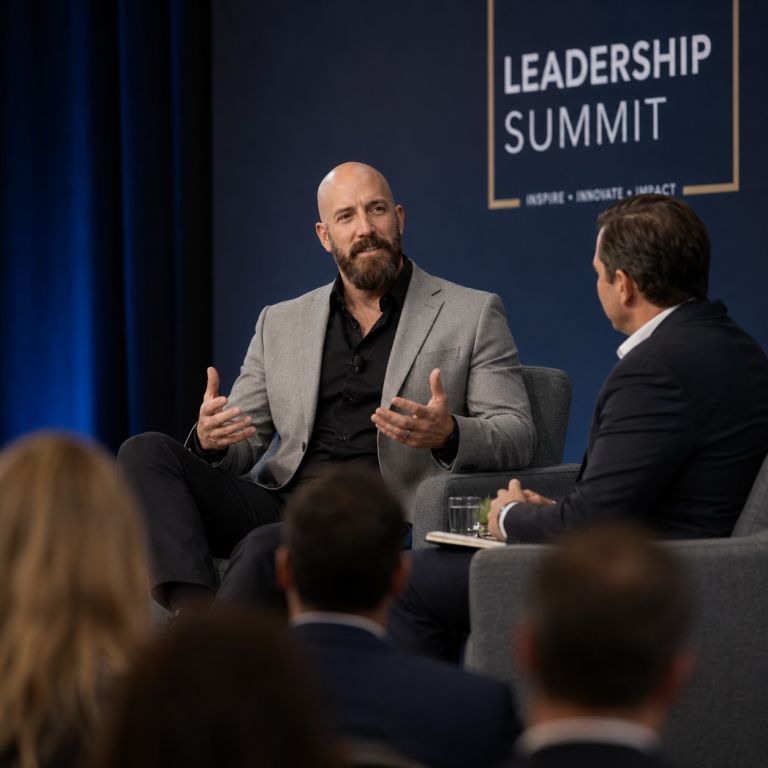
Numbers matter, but the people behind the numbers often matter more.
Projections can be polished. Decks can look clean. Returns can be presented aggressively. The harder question is whether the person or team responsible for the plan has the experience, discipline, communication, and judgment to execute.
Michael reviews the people behind the opportunity before relying on the story. Operator quality, source credibility, decision maker access, past behavior, problem solving ability, and transparency all affect capital allocation.
A strong opportunity with weak people becomes a weak opportunity. A difficult opportunity with capable people and the right structure may still deserve attention.


A capital opportunity becomes more reviewable when the asset, structure, and path support each other.
Asset quality matters when the opportunity is property backed or tied to tangible value. Structure matters when the opportunity involves capital, control, repayment, partnership, or risk sharing. Path matters because every capital decision needs a way to resolve.
These three pieces should work together. A good asset with a bad structure can still be dangerous. A strong structure with no realistic path can still fail. A good path with weak people can still break down.
Michael evaluates whether the opportunity has enough support in all three areas before it deserves serious capital attention.
A capital allocation review may lead to action, deeper diligence, a better structure, a referral, a watch list decision, or a clear pass.
The goal is not to force every opportunity into action. The goal is to make a better decision with the information available.
Move Forward
An opportunity may move forward when fit, people, structure, protection, timing, documents, and expected outcome support deeper review.
More Diligence
Some opportunities need documents, asset review, source confirmation, operator review, title details, financials, or cleaner facts.
Restructure
Some opportunities are not ready as presented but may become stronger with clearer roles, documents, protections, or economics.
Pass
Passing is a valuable decision when the opportunity does not fit, the risk is unclear, the people are weak, or the path is not credible.
The first step is to submit enough context to understand whether the opportunity deserves attention.
Capital allocation review may lead to a deeper review, a capital strategy discussion, private lending review, partnership review, referral, watch list status, or decision that the opportunity is not a fit.
If the opportunity appears aligned with Michael’s current focus, the next step may include follow up questions, document review, source review, operator review, asset review, capital structure discussion, or a private conversation.
A deeper review may be possible when the opportunity, people, use of funds, timing, documents, risk, and expected outcome can be understood. In other cases, the correct decision may be to monitor, refer, restructure, or pass.
Submitting details does not create a lending commitment, investment commitment, advisory relationship, partnership relationship, obligation to fund, or guarantee that capital will be available.
Capital allocation philosophy connects to investment criteria, strategic capital, private capital opportunities, capital partnerships, and private lending.
The right path depends on the opportunity, source, people, structure, risk, asset quality, capital need, timing, and outcome being pursued.
Investment Criteria
Review the standards used to evaluate fit, structure, risk, opportunity quality, operator strength, and execution path.
Strategic Capital
Review opportunities where capital, structure, timing, and judgment may unlock value in a way standard funding cannot.
Private Capital Opportunities
Review private opportunities where relationship, operator quality, use of funds, and expected outcome need attention.
Private Lending
Review business purpose private lending situations where collateral, use of funds, borrower quality, and exit path must be considered.
Have a serious opportunity that may deserve capital, structure, or strategic review?
Send the opportunity details, source context, parties involved, capital need, use of funds, documents if available, timing, and expected outcome. If the situation fits Michael’s current allocation focus, the next step may be a private follow up conversation.